Making Well Intersections More Reliable for Advanced Geothermal Systems
An interdisciplinary team of master students participating in the TU Delft Joint Interdisciplinary Project (JIP) 2026 collaborated with EAPOSYS and WEP to explore new approaches for improving thermal energy well intersections in Advanced Geothermal Systems.
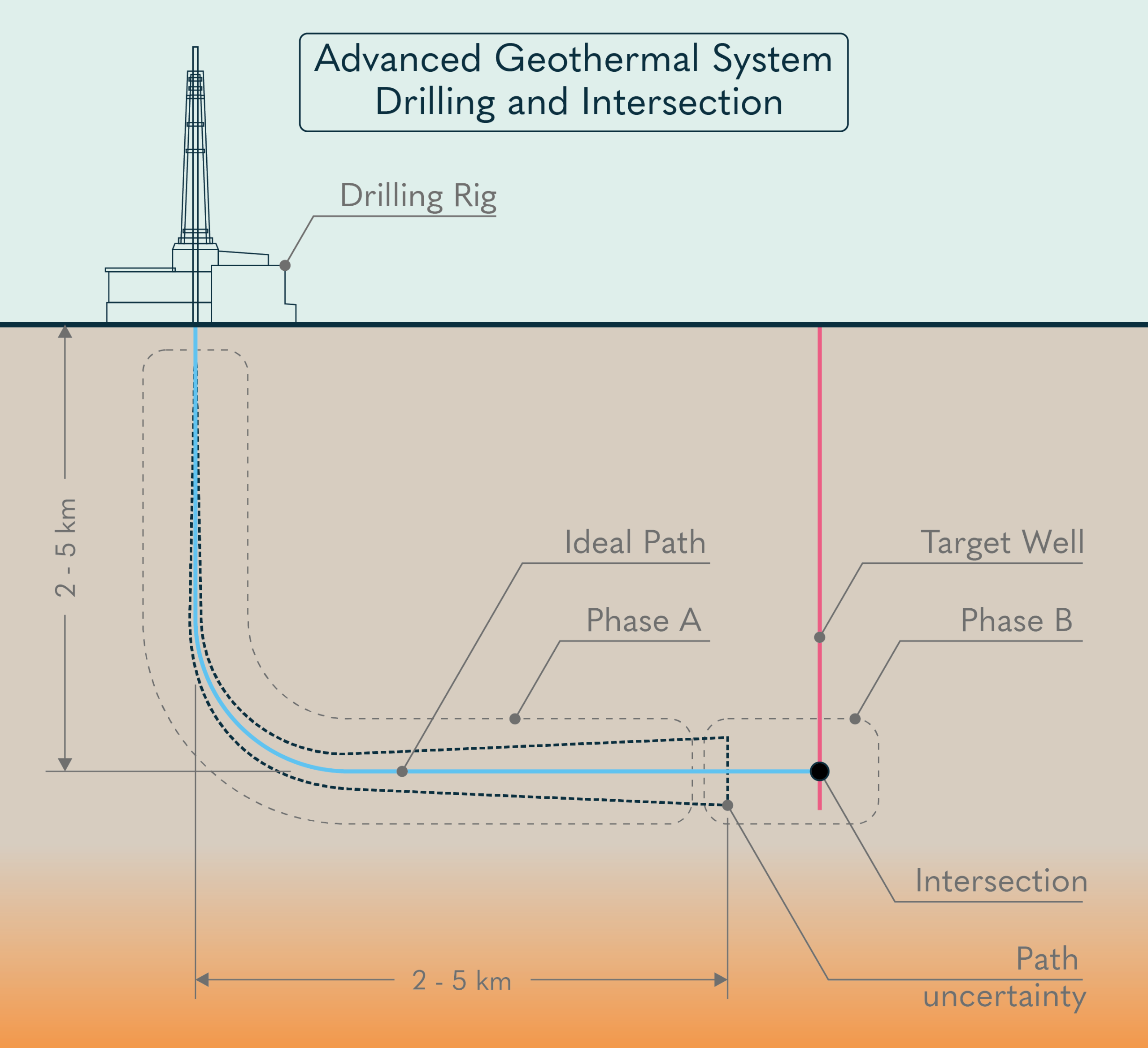
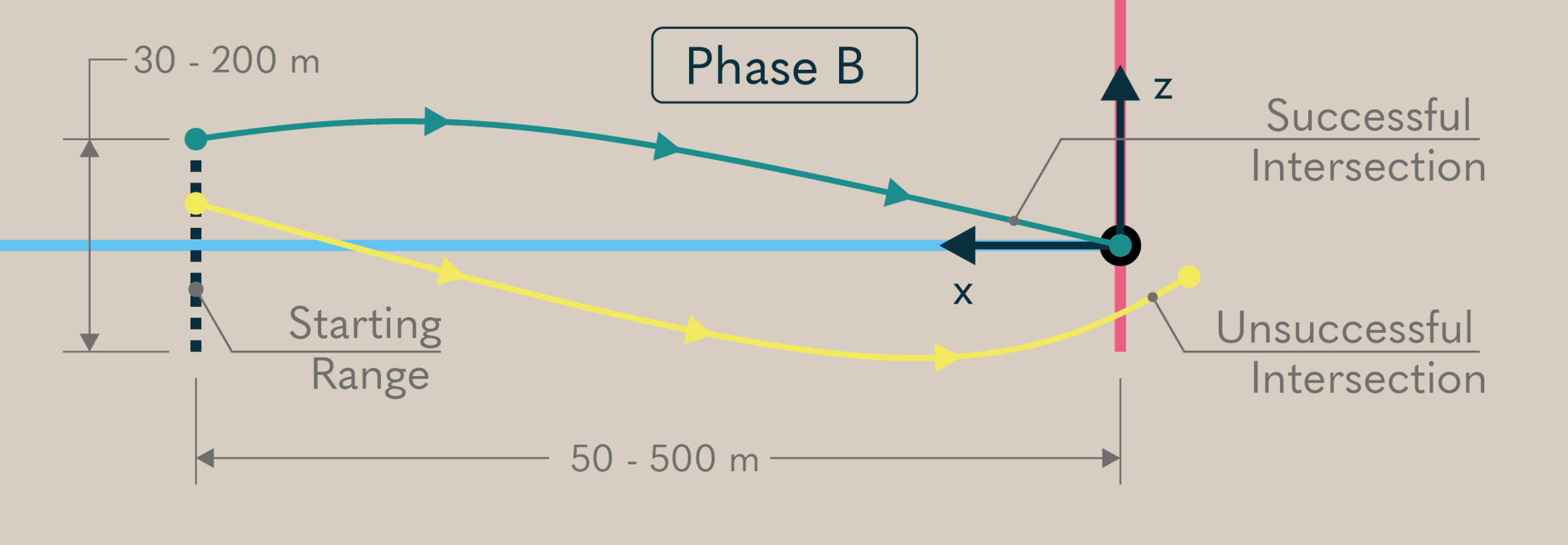
The project focused on the final, close-range stage of directional drilling, where accurately locating and intersecting a target well is essential. The team evaluated established Active Magnetic Ranging alongside acoustic and electromagnetic ranging methods, investigating whether triangulation with multiple receivers could improve both detection range and positional accuracy.
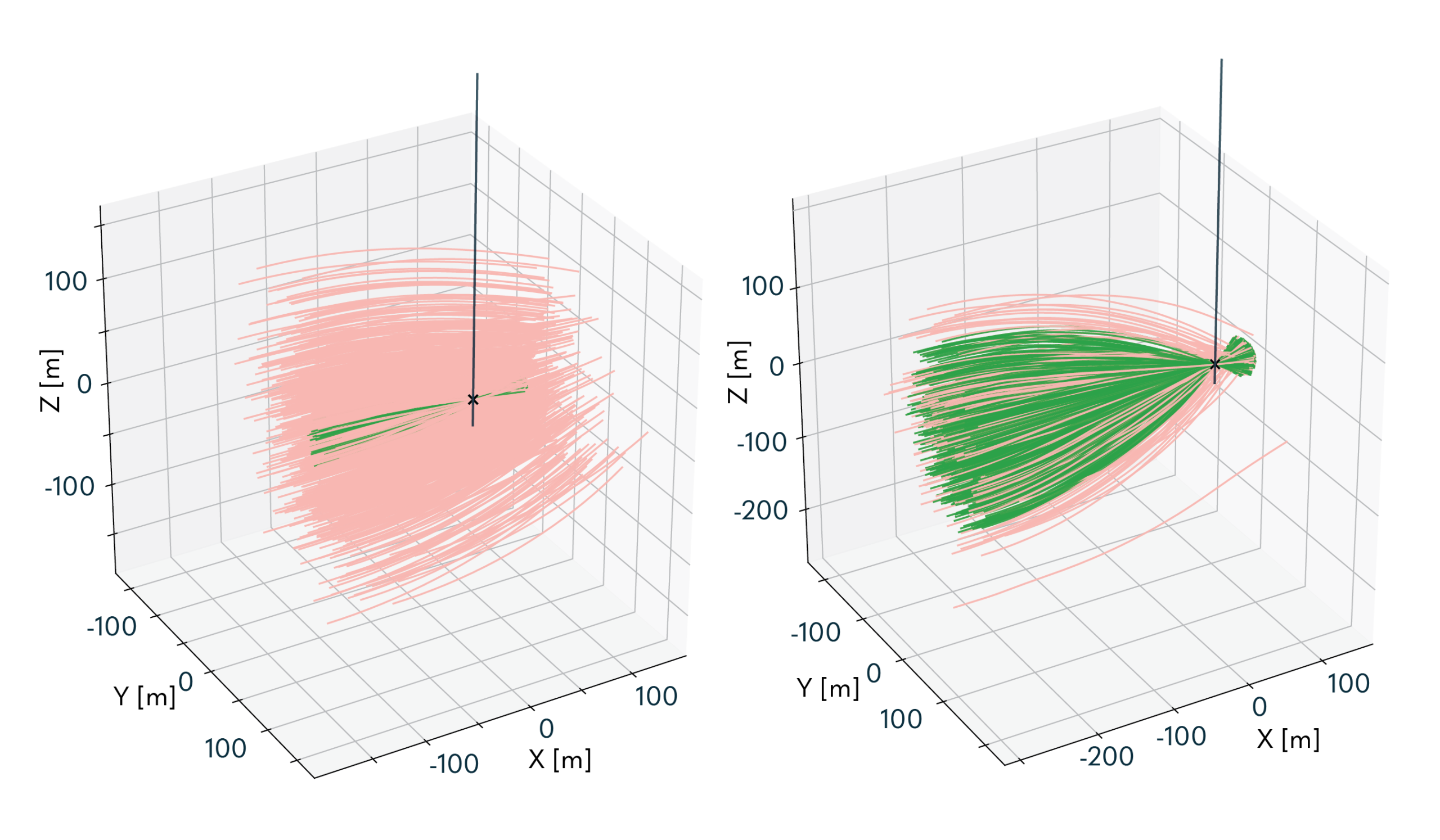
From 5% to 70% Simulated Success
Simulation results showed a substantial improvement when triangulation was introduced. Among the concepts investigated, AMR triangulation achieved the highest simulated intersection success rate at 70%, compared with approximately 5% for the baseline configuration. Electromagnetic triangulation also showed promising longer-range potential.
The project provides EAPOSYS with a valuable foundation for further investigation into more precise, reliable, and scalable well-intersection strategies for advanced geothermal systems.
A great team effort
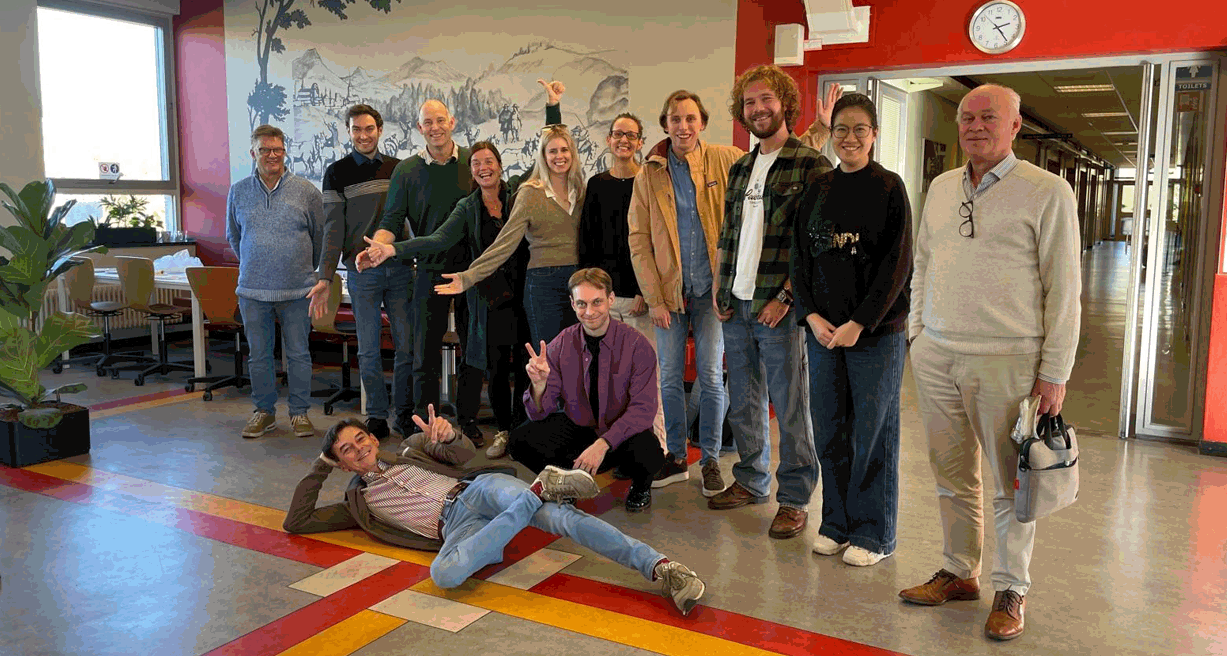
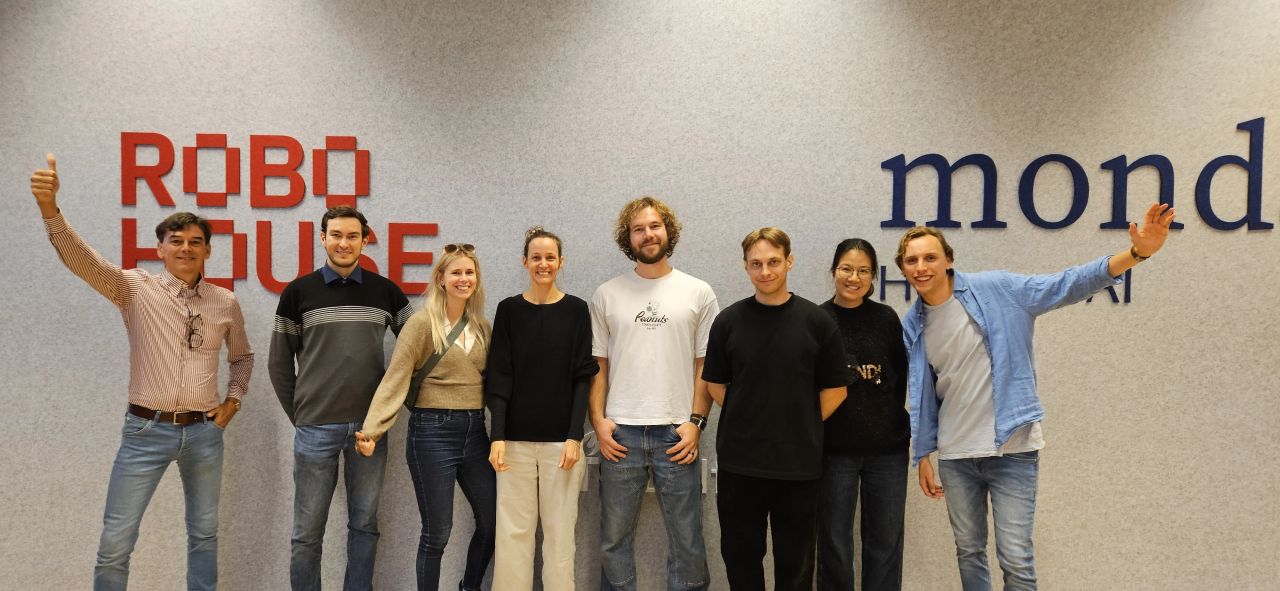
A big thank you to our incredible student team: Jokubas Mickus, Floris Roos, Paul Panman and Yue Guo, for their outstanding interdisciplinary work on improving AGS well-intersection accuracy.
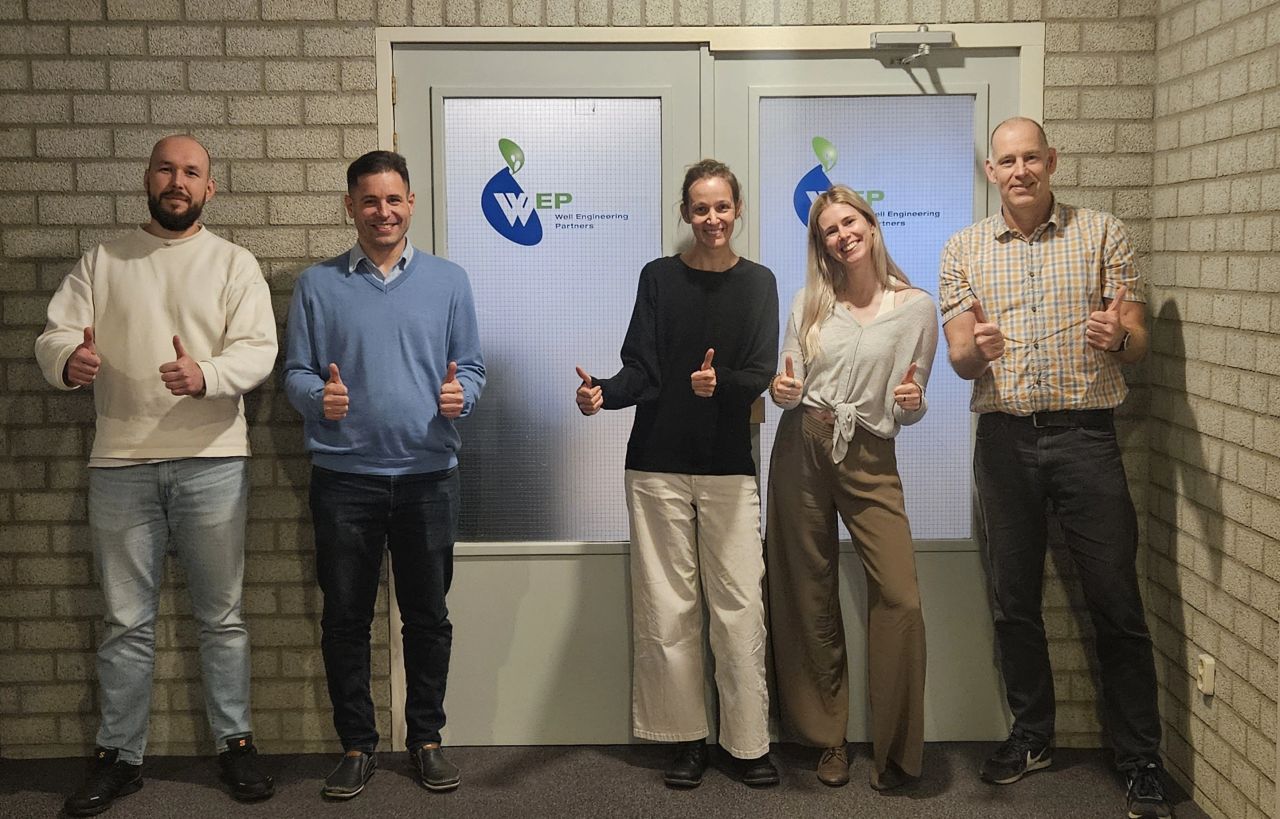
Our thanks also go to the WEP team, Geertjan van Og and Julien Smeulders as well as Leonardo Alvarez and Arturs Blinovs for sharing their expertise throughout the JIP program.